
Less connection capacity required
We calculate based on your process needs, not the old gas power rating. Van Keulen now uses 85 kW electric instead of 350 kW gas. That saves grid capacity, which is often scarce.
View the case study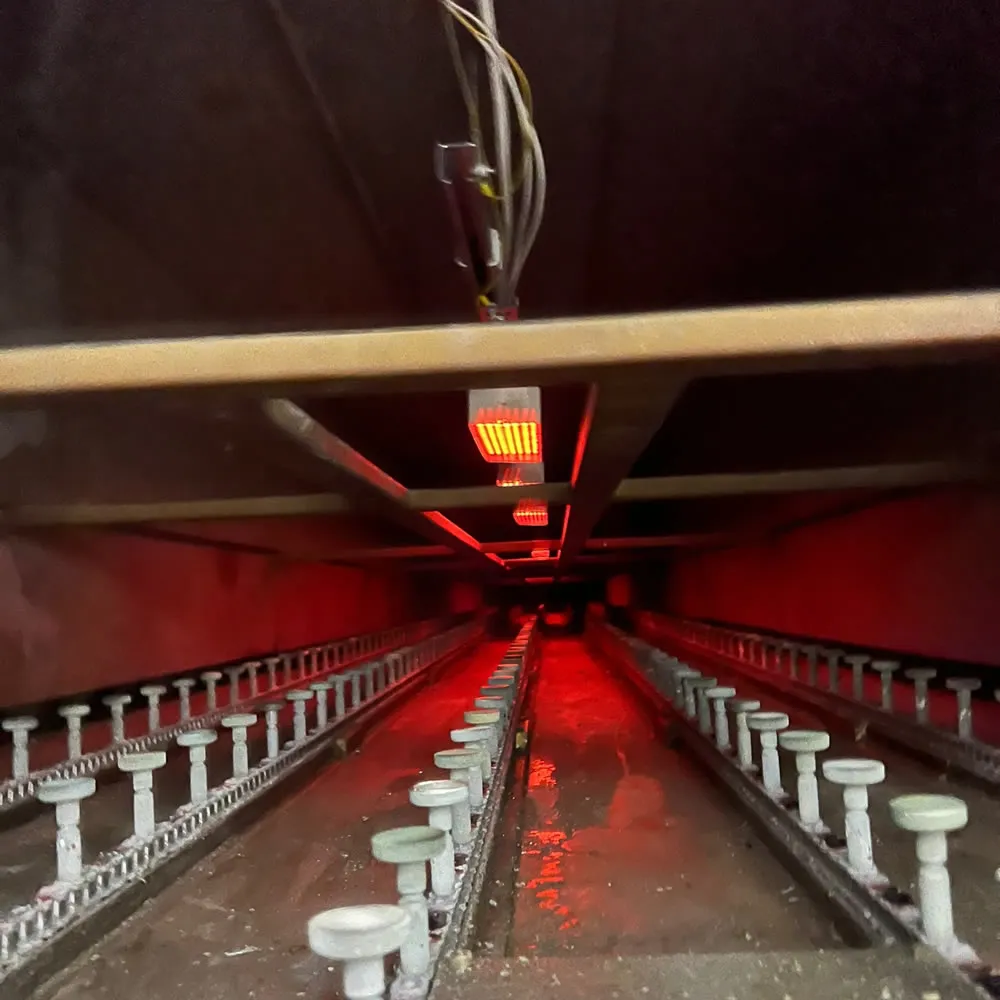
Industry
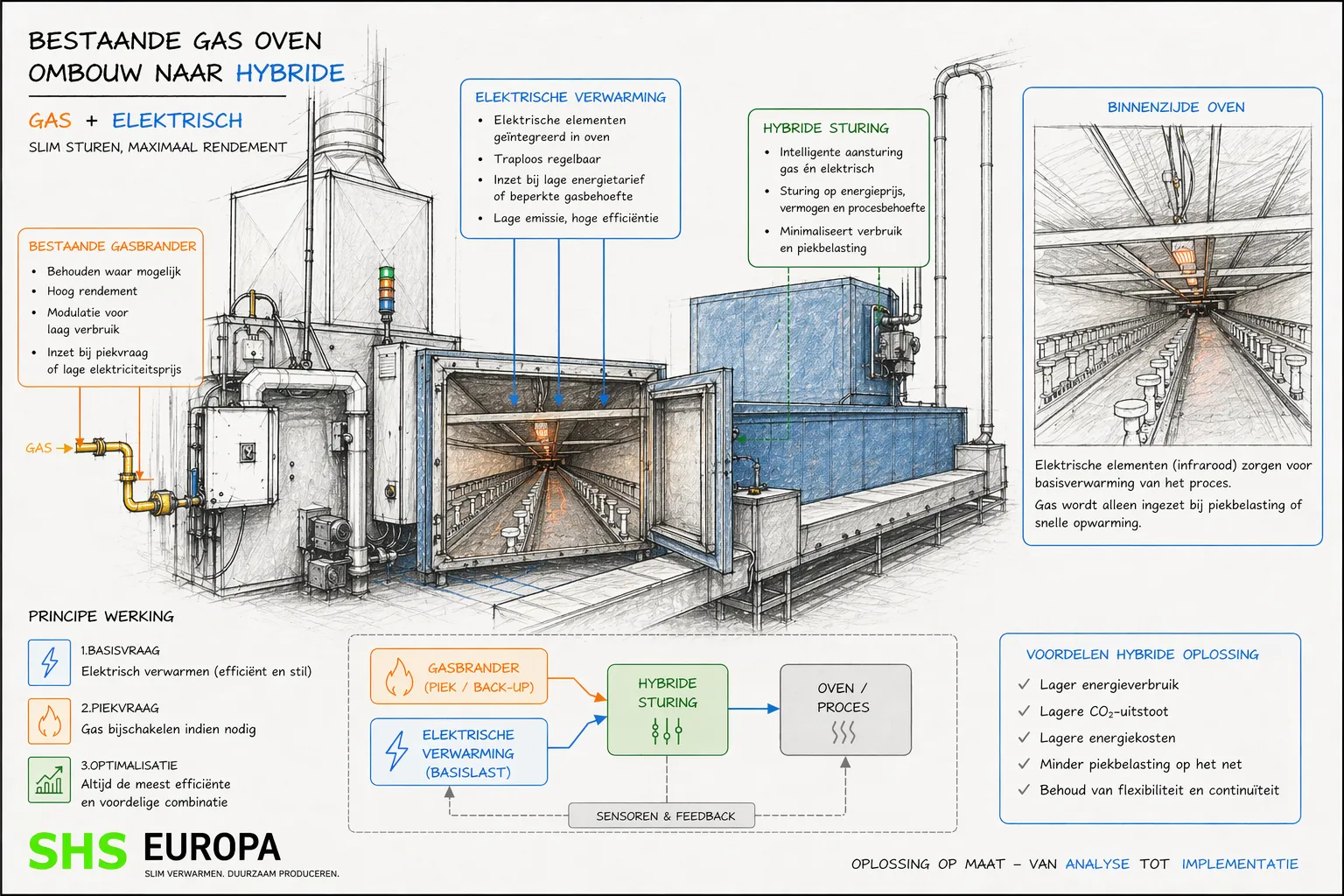
We convert your existing gas-fired oven to electric or hybrid. You retain your oven and production capacity, often needing far less connection capacity than your gas system required.
Sound familiar?
Gas and fluctuating gas prices account for a large share of your process costs.
Grid congestion calls for optimisation or a hybrid solution.
90 kW of gas does not have to mean 90 kW of electricity. We determine what your process really needs.
A new oven means weeks of downtime. Retrofitting can take place in short sessions outside production hours.
Result
We calculate based on your process needs, not the old gas power rating. Van Keulen now uses 85 kW electric instead of 350 kW gas. That saves grid capacity, which is often scarce.
View the case studyAt Van Keulen, measured consumption is around half the previous gas consumption. The gas function has not been used since commissioning.
View the case studyElzinga still dries around 7,000 lids per hour in the same oven, now with around 75% less power.
View the case studyAt Elzinga, the gas burners, combustion gases and hot chimney are gone. Hearing protection is no longer needed for this system.
View the case studyServices
Understand and optimise first, then invest.
View analysis & optimisation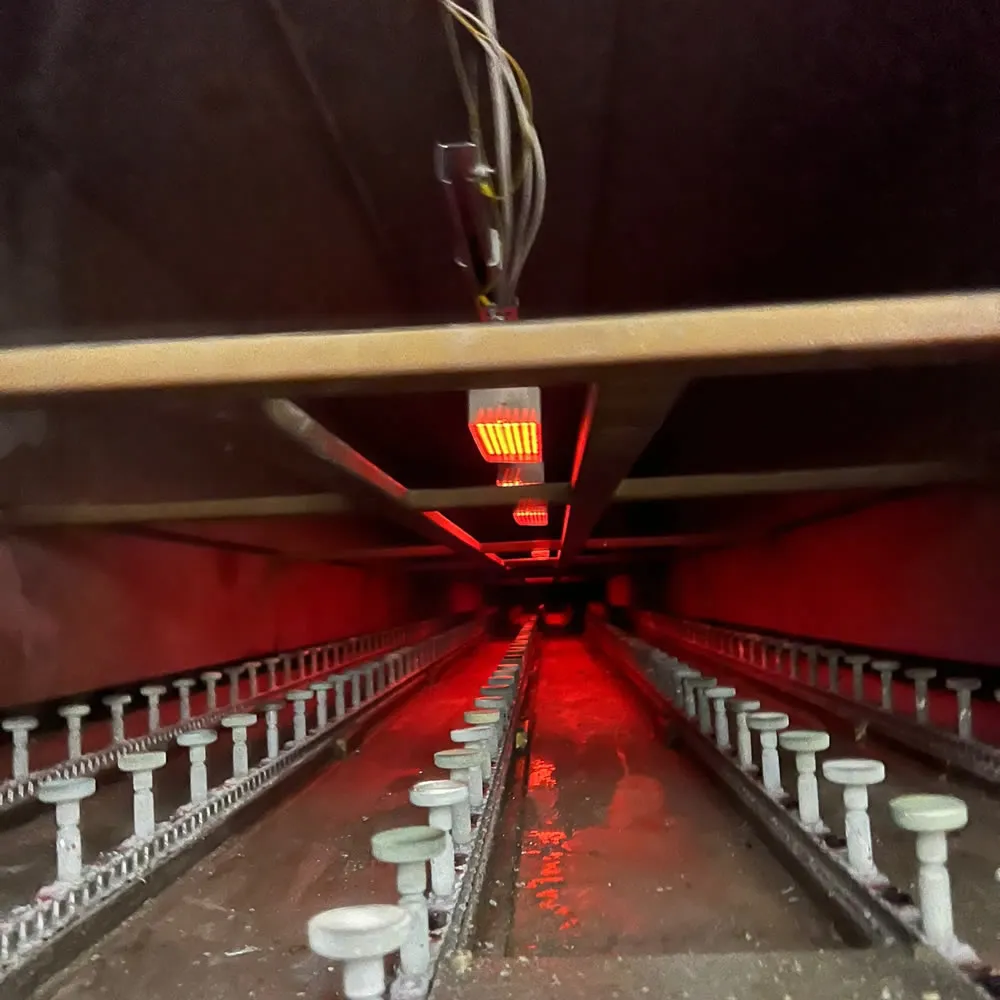
Converting existing gas ovens while retaining the oven structure.
View industrial ovens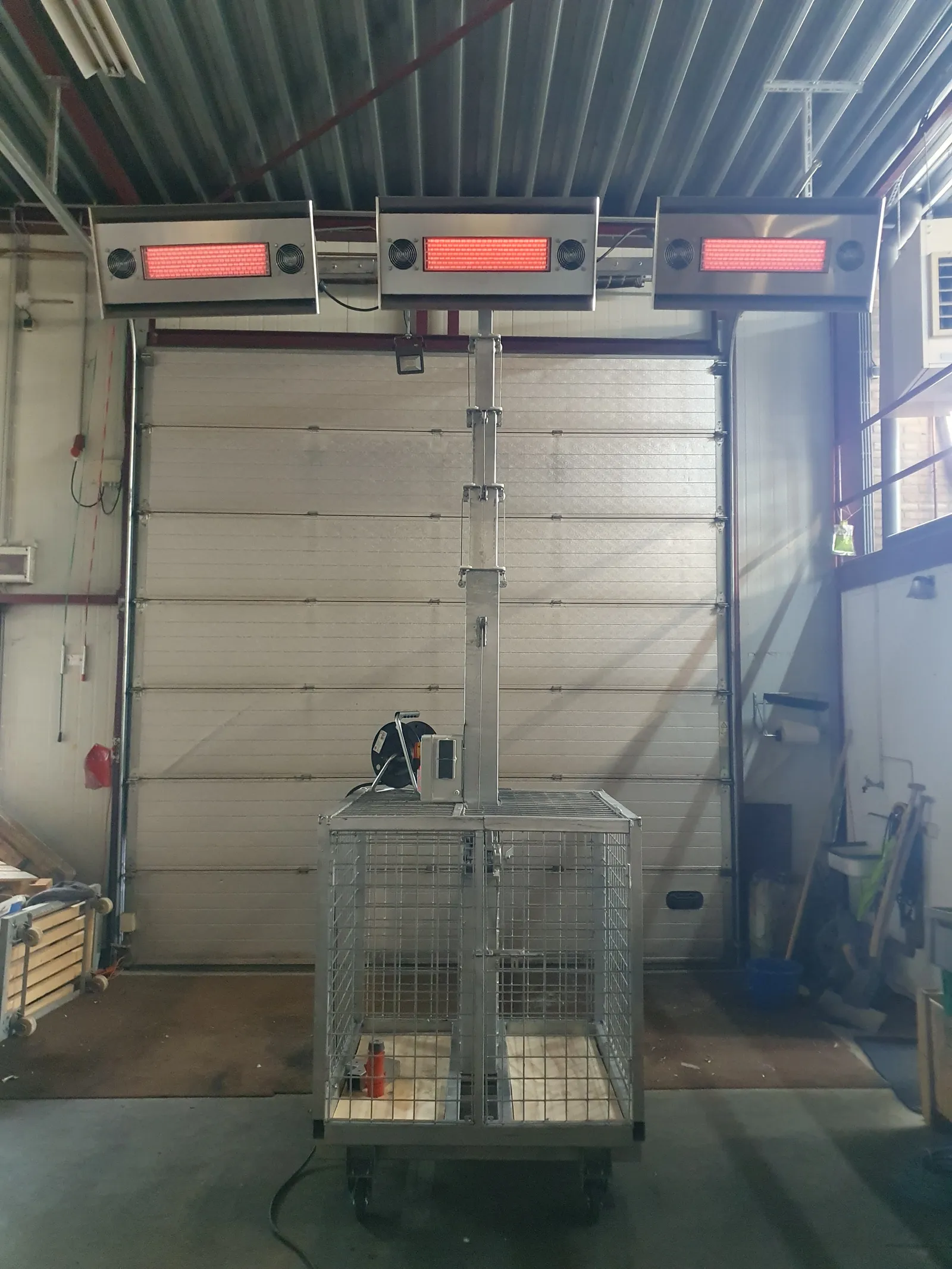
For heating challenges where no standard solution fits.
View research and development
Schedule maintenance for SHS systems and keep performance under control.
View maintenanceKnowledge base
First determine where, when and how much heat is needed before choosing electric power.
Read the articleA kWh is a kWh, but how the heat reaches the product determines efficiency.
Read the articleElements at 600–900 °C transfer heat mainly through radiation rather than air.
Read the articleApplications
Projects
Industry
90 kW gasto21 kW electric
An 11 metre drying oven converted from 90 kW gas to 21 kW electric, maintaining 7,000 lids per hour.
View the case study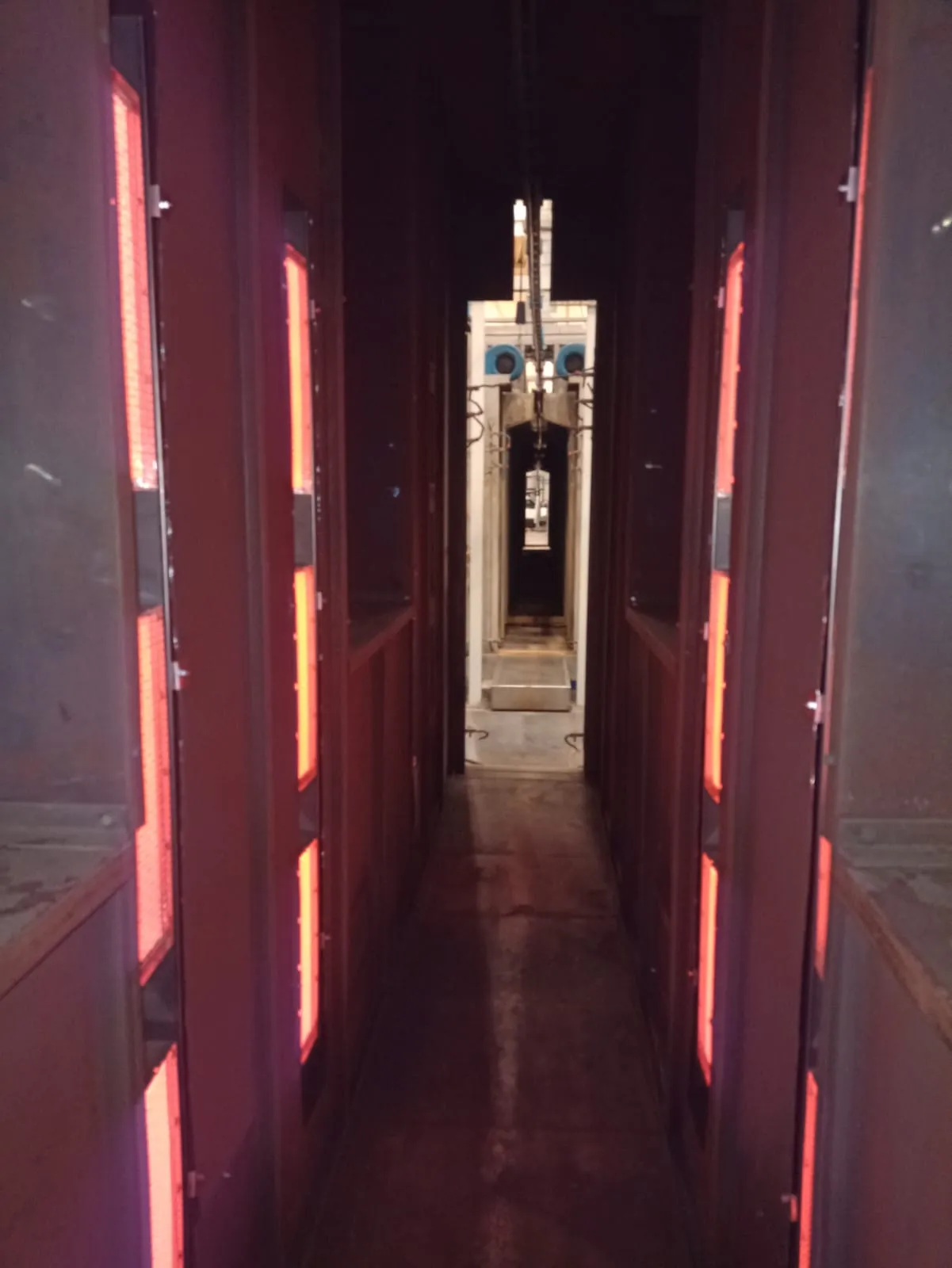
Industry
350 kW gasto85 kW electric
An existing 350 kW gas drying oven converted to hybrid operation, with three electric heating layers totalling 85 kW.
View the case study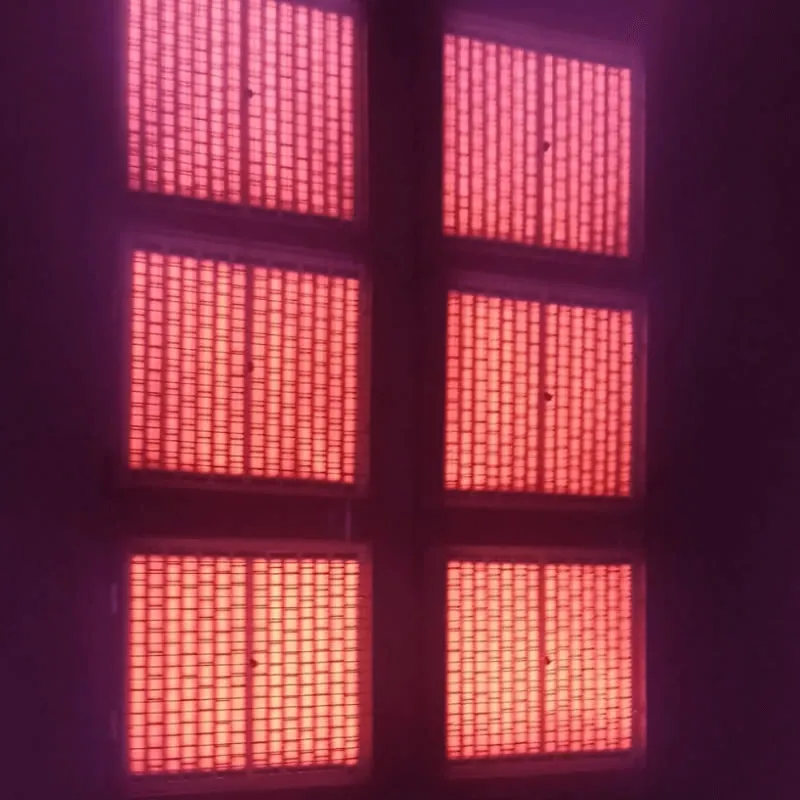
Industry
An existing coating oven of approximately 45 m³ converted from 250 kW gas to electric process heating.
View the case study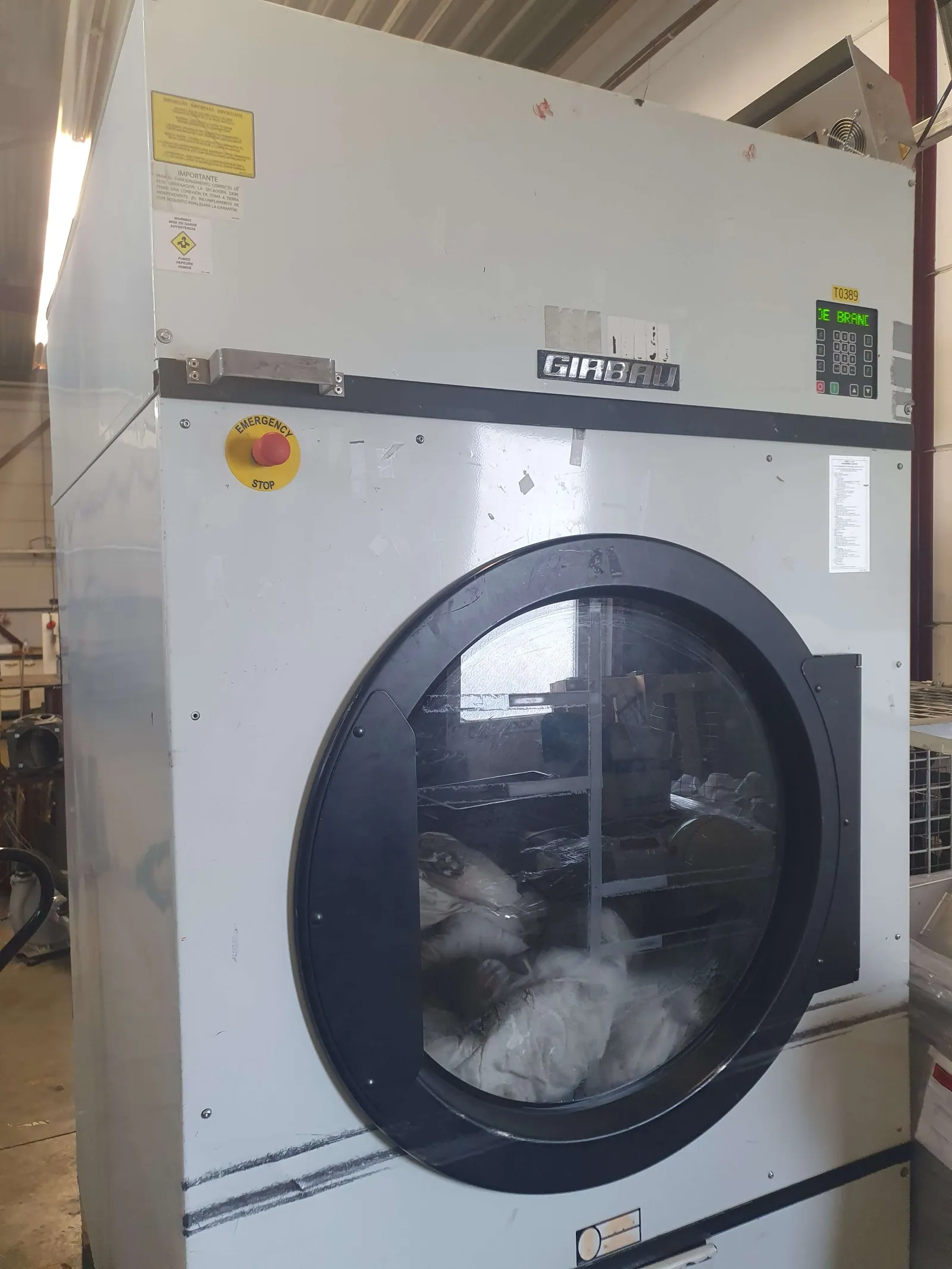
Industry
110 kW gasto32 kW electric
An industrial tumble dryer made fully electric within its existing housing.
View the case study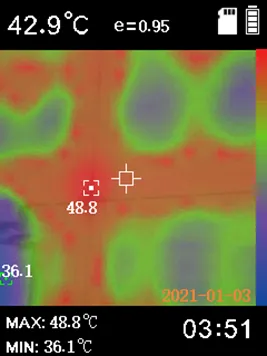
Industry
A 66 m³ gas-fired curing oven optimised first as the basis for electrification.
View the case study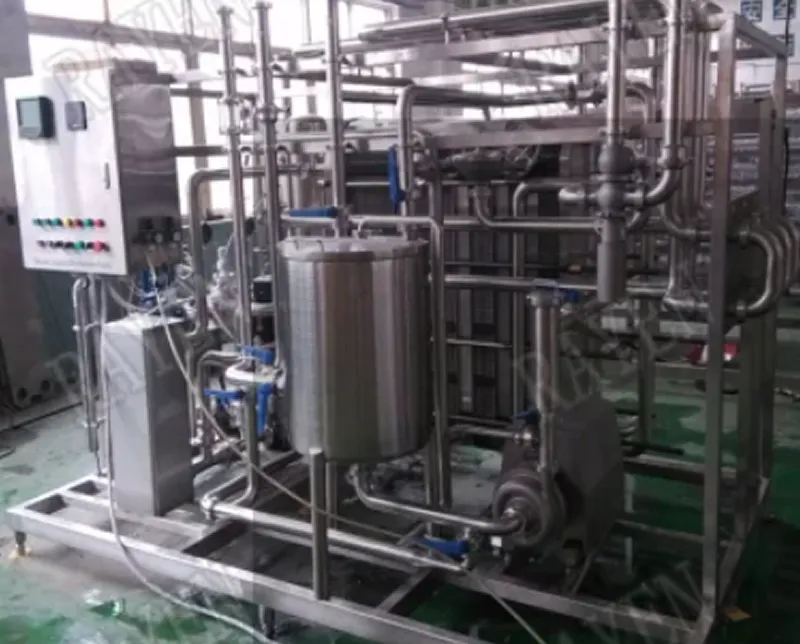
Industry
Research into an electric pasteurisation process that reuses heat from cooling.
View the case studyFAQ
Book a consultation. We first investigate what your process really needs.
Would this suit your situation? Let us discuss it.